
What is soundproofing and how does it work? Soundproofing is the process of reducing, blocking, or controlling unwanted noise. In the context of car modification, soundproofing involves installing specialized materials inside a vehicle to minimize road noise, engine vibrations, wind noise, and external sounds.
The goal is to create a quieter, more comfortable driving experience while improving audio quality and overall vehicle refinement.
Whether you own a family sedan, luxury vehicle, or commercial van, soundproofing can significantly enhance cabin comfort.
What Is Soundproofing and How Does It Work?
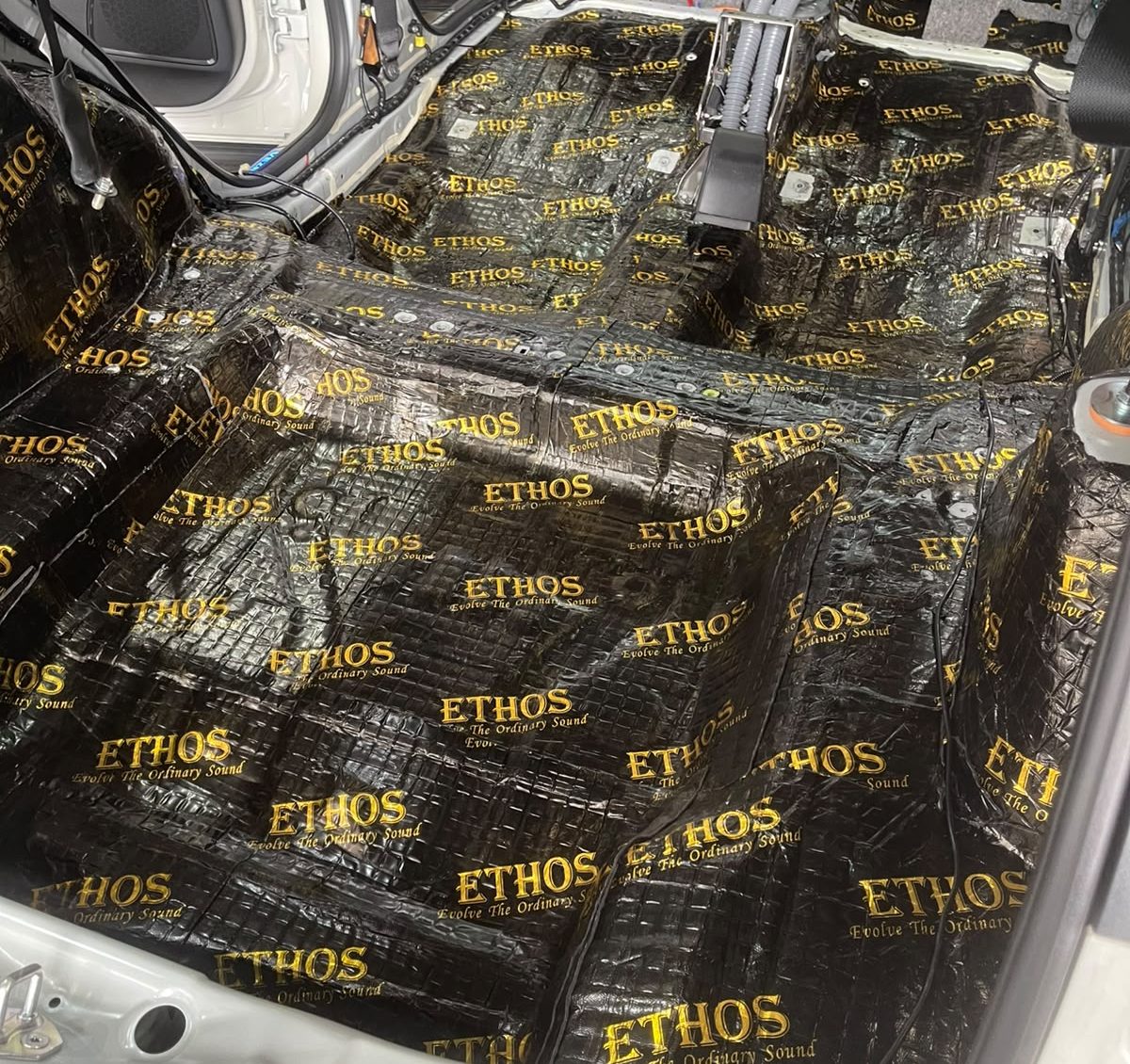
Before exploring how soundproofing works, let’s look at how sound travels and enters a vehicle.
Understanding How Sound Travels
To understand soundproofing, it helps to know how sound moves. Sound travels in the form of vibration through air and solid materials.
In a vehicle, noise can enter the cabin through several sources, such as
- Road and tire noise
- Engine and transmission vibrations
- Wind noise at higher speeds
- Rain impact on the roof
- Traffic and construction noise
- Vibrations from metal panels
These sounds travel through the car’s body panels, floor, doors, roof, wheel arches, and windows before reaching occupants inside the cabin.
Effective soundproofing targets these pathways to reduce the amount of noise transmitted into the vehicle.
How Soundproofing Works
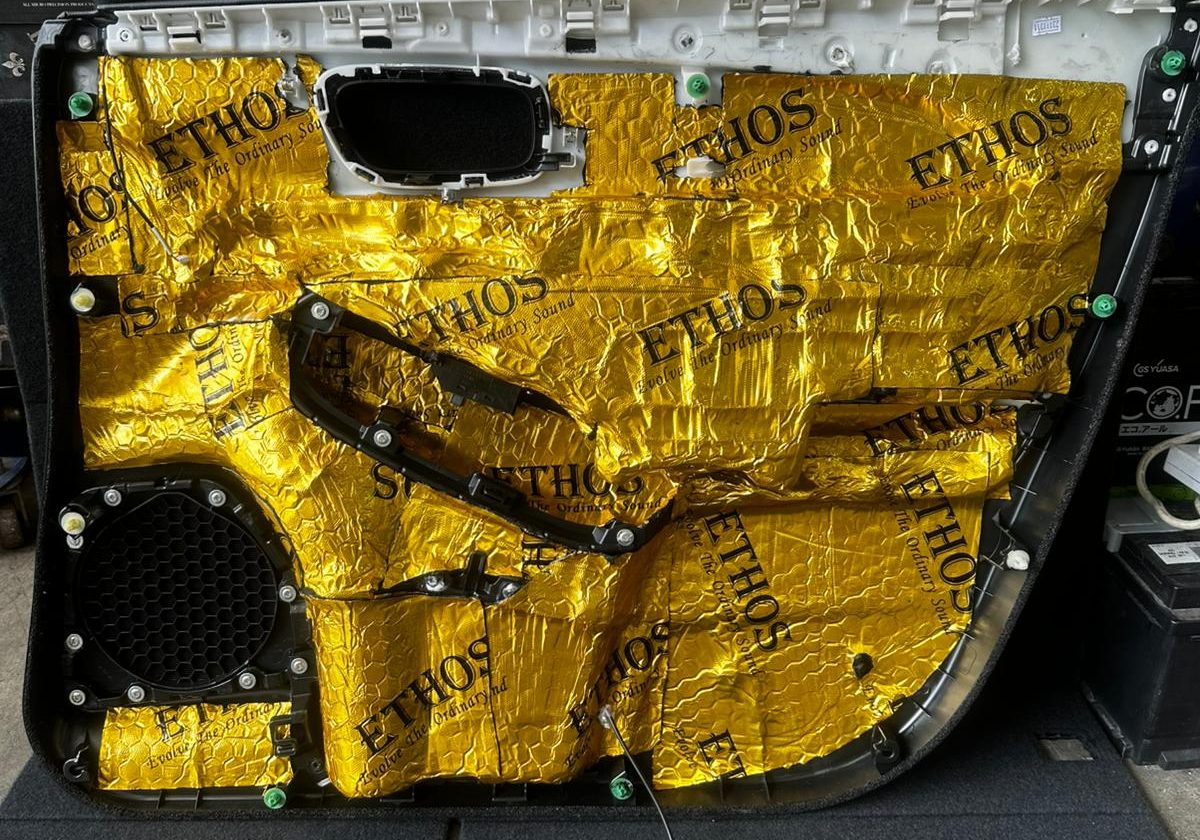
What is soundproofing and how does it work? Soundproofing relies on four key principles.
· Damping vibrations
Vehicle body panels naturally vibrate when exposed to road and engine noise. Sound-deadening materials are applied to metal surfaces to reduce these vibrations. When vibrations are minimized, less noise is generated within the vehicle structure itself.
· Blocking sound
Sound barriers are dense materials designed to stop noise from passing through surfaces. In cars, sound barriers are commonly installed beneath carpets, inside doors, and along the firewall separating the engine bay from the cabin.
· Absorbing noise
Sound-absorbing materials trap and dissipate sound energy rather than allowing it to bounce around the cabin. Foam insulation and acoustic liners are often used to absorb mid- and high-frequency noises, helping create a quieter interior environment.
· Decoupling surfaces
Decoupling involves separating two surfaces so vibrations cannot easily transfer between them. This technique helps reduce structure-borne noise and improves the effectiveness of other soundproofing layers.
· Using Quality Soundproofing Materials
The quality of the materials also affects the overall results. At Ethos Audio, we use lightweight soundproofing materials with high-temperature tolerance, allowing them to provide effective noise reduction while maintaining long-term durability in Asia’s hot climate.
Common Areas Soundproofed in Cars

What is soundproofing and how does it work? Different sections of a vehicle contribute to cabin noise. Professional installers often target doors, floor and firewall, roof, wheel arches, and boot and rear panels.
· Doors
Doors are among the most common soundproofing locations. Soundproofing door panels reduces road noise and improves speaker performance.
· Floor and firewall
The floor area receives vibrations and road noise. The firewall transmits engine noise into the cabin. Soundproofing these areas can dramatically reduce overall noise levels and improve driving comfort.
· Roof
Rainfall can generate considerable noise, particularly in tropical climates like Singapore. Roof treatment helps minimize rain noise and external environmental sounds.
· Wheel arches
Wheel arches are major sources of tire and road noise. Additional insulation in these areas helps create a quieter ride, especially on rough roads.
· Boot and rear panels
Noise from the rear suspension and exhaust system can often enter through the boot area. Soundproofing helps reduce these sounds.
Professional Installation Matters
Using quality soundproofing materials is important, but proper installation is equally essential. Poor workmanship can reduce the effectiveness of the treatment and affect the overall results.
At Ethos Audio, our experienced technicians install every soundproofing system with care and precision to ensure the best possible noise reduction and long-lasting performance.
FAQ
Does soundproofing add weight to a vehicle?
Yes. Most soundproofing materials add some weight. However, for everyday driving, the increase is generally minimal and is often outweighed by the comfort benefits.
Does soundproofing make a car completely silent?
No. Soundproofing significantly reduces unwanted noise but cannot eliminate all sounds. Most installations achieve noticeable improvements rather than complete silence.
Will soundproofing improve my car audio system?
Yes. Reduced vibrations and lower background noise allow speakers to perform more effectively, resulting in clearer and more detailed sound.
Can soundproofing help reduce rain noise?
Yes. Roof soundproofing is particularly effective at reducing the impact noise caused by rain.
Conclusion
What is soundproofing and how does it work? Car soundproofing is a practical modification that improves comfort, reduces unwanted noise, and enhances audio performance.
Soundproofing works through damping vibrations, blocking sound, absorbing noise, and decoupling surfaces.
At Ethos Audio, we evolve the ordinary sound. We curate the most advanced audio technology to ensure every musical note is delivered with absolute fidelity.
We focus on premium technology, meticulous installation, and personalized tuning to create an immersive concert experience.
Our products include speakers, DSP, amplifier, soundproofing, and more. For more information, get in touch with us at Ethos Audio. You can also visit us in person at 7030 Ang Mo Kio Ave 5 #01-02, Singapore 569880.